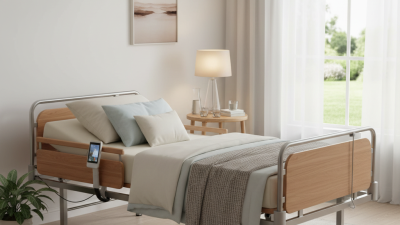
2026 Best Hospital Beds for Home Use What to Consider?
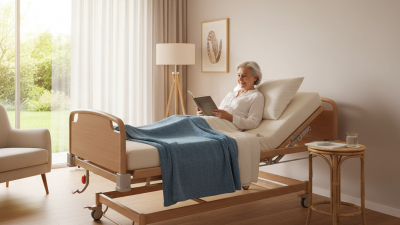
When considering the best hospital beds for home use, one must understand their significant impact on patient well-being. According to the National Association of Hospital Beds, nearly 30% of patients recovering at home benefit from specialized beds. These beds provide comfort and support, which enhances healing and recovery.
Dr. Emily Parker, a leading expert in home healthcare, emphasizes, “The right hospital bed can transform a patient’s recovery experience.” This statement underlines the importance of selecting appropriate equipment. Hospital beds for home use are not just products; they are essential tools in managing health and comfort at home.
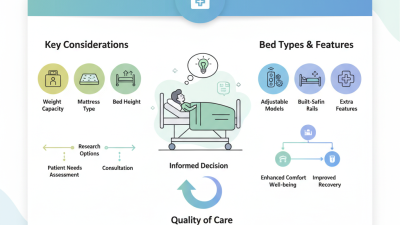
Choosing the right bed involves understanding the features that aid in mobility, safety, and comfort. Adjustable height settings and side rails can prevent falls, while pressure-relieving mattresses reduce the risk of bed sores. However, many still overlook these critical aspects. Failing to choose the right bed can lead to discomfort or even hinder recovery, revealing the necessity for informed choices in this industry.
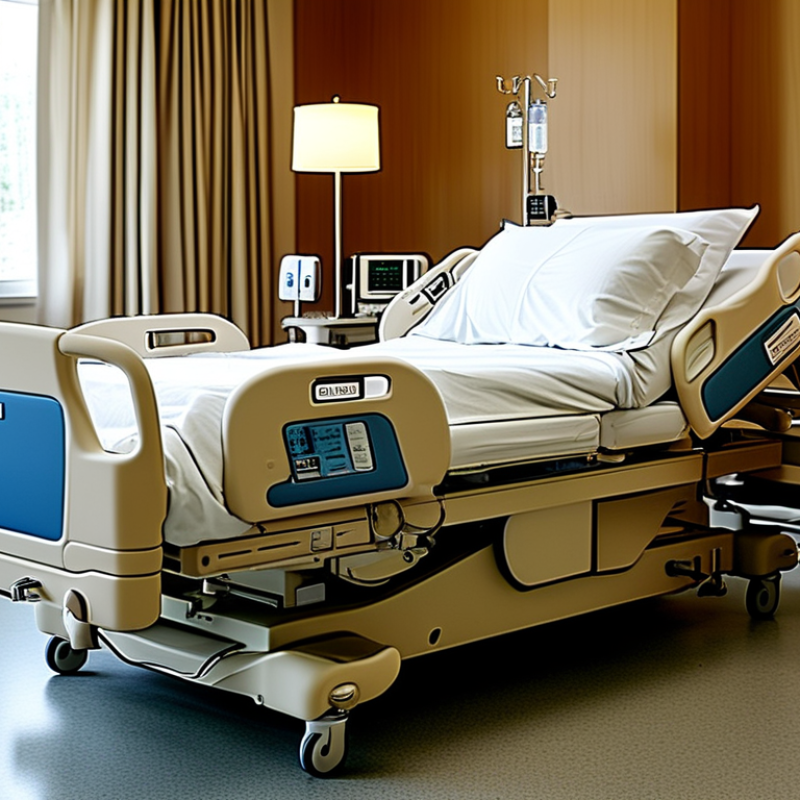
Types of Hospital Beds Suitable for Home Use
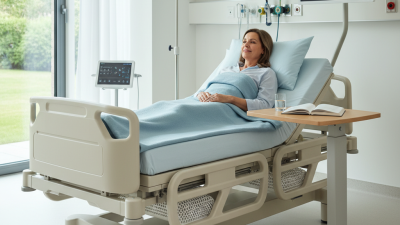
When selecting a hospital bed for home use, it’s crucial to understand the various types available. Manual hospital beds are an affordable option. These beds require physical effort to adjust, which may not suit everyone. Individuals with limited strength may find these beds challenging to operate. However, they can be reliable and durable for long-term use.
Electric hospital beds offer more convenience. With an easy-to-use remote, users can adjust the bed’s position effortlessly. This type can help patients who need to change positions frequently. It's more suitable for individuals who may face mobility issues. Additionally, some electric beds come with added features like adjustable height.
Another option is the bariatric hospital bed. Designed for heavier patients, these beds provide extra support. They can accommodate greater weight limits and are wider for comfort. Home caregivers may also appreciate beds with built-in side rails. These provide safety and stability for users who may be at risk of falling. Each type serves specific needs, and careful consideration ensures the best choice for home care. Evaluate your specific requirements to determine which bed type fits best.
2026 Best Hospital Beds for Home Use - What to Consider?
| Type of Bed |
Key Features |
Weight Capacity |
Adjustable Positions |
Price Range |
| Manual Hospital Bed |
Simple hand-crank adjustments |
350 lbs |
Head and foot elevation |
$300 - $600 |
| Semi-Electric Bed |
Electric controls for head and foot; manual height adjustment |
450 lbs |
Head, foot, and height adjustments |
$600 - $1,200 |
| Full Electric Bed |
Fully electric; remote control |
600 lbs |
Head, foot, and height adjustments |
$1,200 - $2,500 |
| Low Air Loss Bed |
Prevention of pressure ulcers; air circulation |
500 lbs |
Full adjustability |
$2,500 - $5,000 |
| Bariatric Bed |
Sturdy frame; wider surface |
1000 lbs |
Head, foot, and height adjustments |
$1,500 - $3,000 |
Key Features to Look for in Home Hospital Beds
When searching for the best hospital beds for home use, consider key features that enhance comfort and functionality. Adjustable height is crucial. Patients can easily transition from sitting to standing. Research indicates that about 70% of caregivers report reduced strain with adjustable beds.
Look for beds with side rails. These provide safety and stability for patients who may struggle with mobility. Approximately 30% of falls occur during bed transfers, according to a study by the National Institute on Aging.
Memory foam mattresses offer superior support. They conform to body shapes, alleviating pressure points. Many users appreciate the customizable firmness. Ensure proper sizing as well. A bed too small can hinder movement and comfort.
A friendly tip: always involve your healthcare provider in the decision-making process. They can recommend beds tailored to specific medical needs. Regularly assess the bed's functionality—if it doesn’t meet evolving health requirements, consider alternatives. Prioritizing patient comfort often requires adjustments.
Factors Influencing the Price of Hospital Beds
When considering the price of hospital beds for home use, several factors come into play. The type of bed significantly influences the cost. Manual beds tend to be more affordable than electric ones, with a price range of $300 to $1,500. Electric beds often range from $1,000 to $5,000, depending on features. According to a report by the National Research Corporation, comfort and adjustability are essential for improving the quality of life for patients at home.
Material quality also affects pricing. Hospital beds made of durable materials can cost more upfront but offer long-term savings. A study by the American Hospital Association indicates that investing in higher-quality materials results in lower maintenance costs over time. Thus, weigh short-term expenses against potential long-term benefits when making a decision.
When choosing a hospital bed, think about the specific needs of the user. Features such as adjustable height and side rails can enhance safety but may increase costs. Examine the full cost of ownership, including accessories and delivery. A well-informed choice can lead to greater satisfaction and usability. Consider your environment too—can a larger bed fit in your space comfortably?
Safety and Comfort Considerations for Users
When selecting a hospital bed for home use, safety and comfort should be your main priorities. An adjustable bed can enhance comfort levels significantly. Look for features like adjustable height and backrest settings. These adjustments allow users to find their optimal position for sleeping or sitting. Beds with railings can prevent falls, especially for users with mobility issues. Reliable safety mechanisms are essential.
Comfort goes beyond just a mattress. Some users may require special mattresses to prevent pressure sores. Foam or air mattresses can enhance comfort and support. Additionally, the dimensions of the bed should accommodate the user's needs. A bed that is too small can lead to restless nights. Room space also matters; ensure the bed fits well in the designated area.
It’s important to think about the ease of use as well. Some beds come with remote controls for adjustments. This can be a game-changer for users with limited mobility. However, technology can sometimes be confusing. Manuals should be clear and simple. Be aware that complications can arise, like mechanical issues that affect functionality. Thus, choosing a bed from a reputable source is key for long-term reliability.
2026 Best Hospital Beds for Home Use: Safety and Comfort Considerations for Users
Installation and Maintenance Tips for Home Hospital Beds
When setting up a home hospital bed, installation can be a bit challenging. It's essential to choose an appropriate location. A flat surface is ideal for stability. Ensure there is enough space for caregivers to move comfortably. Misplacement can lead to accidents or hinder mobility in emergencies. Consider access to power outlets for electric models, too.
Maintenance is another crucial aspect. Regularly check the bed for wear and tear. Inspect the mattress and linens for cleanliness. Keep mechanisms lubricated to ensure smooth adjustment. Neglecting these details can lead to inefficiencies over time. A squeaky or jammed bed can cause frustration for both patients and caregivers. Faulty equipment not only affects comfort but may also jeopardize safety.
Listening to feedback from users is important. Sometimes, beds may not meet individual needs. Adjustments may be necessary for optimum comfort. It's worthwhile to engage with healthcare professionals for advice. They can provide insights that enhance the functional use of the bed. Being proactive in maintenance and adjustment ensures a better experience overall.