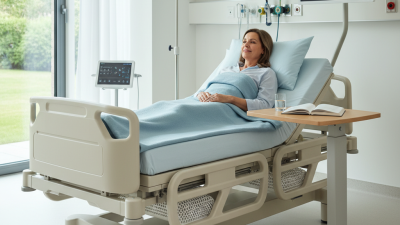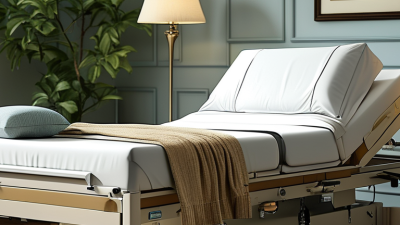
A high-quality medical bed starts with patient safety, not a long feature list. In practical evaluations, clinical engineers check frame stability, mattress platform movement, and brake response. The bed should remain steady during patient transfers. Test it on a slightly uneven floor. Small details matter.
Independent electric adjustment improves positioning and reduces caregiver strain. Controls should be clear, tactile, and usable with limited hand strength. A backrest should move smoothly without sudden stops. The lowest height can reduce fall risk, while a suitable raised height supports nursing work. Side rails need secure locks and enough clearance to prevent trapping injuries. Emergency positioning should remain possible during power loss. A tested battery backup is valuable.
Materials also influence daily reliability. Smooth surfaces simplify cleaning around joints and corners. Rust-resistant frames suit humid facilities, but coating quality still requires inspection. Buyers should verify the safe working load, mattress compatibility, electrical specifications, and maintenance access. Request test reports, warranty terms, spare-part availability, and traceable user instructions. Requirements differ across regions, so local medical-device rules must be checked before purchase. A feature-rich bed can still fail if staff cannot operate it quickly. I would rather choose fewer functions with dependable controls than impressive features that confuse users. That judgment deserves careful review.