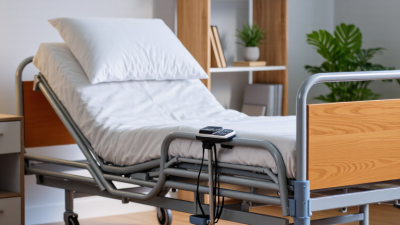
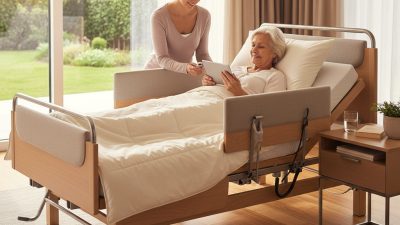
Choosing adjustable hospital beds for seniors is not simply a matter of comparing prices, motors, or mattress thickness. The right bed can support safer transfers, easier repositioning, and more restful nights. It may also reduce strain when a family member helps with bathing, dressing, or medication routines. Small details matter. A quiet motor, a firm hand control, and a low sleeping position can change daily comfort.
Sleep scientist Dr. Rebecca Robbins has said, “Sleep is not a luxury; it is a biological necessity.” That reminder belongs in every buying decision. A senior may need head elevation for easier breathing, knee adjustment for swelling, or side rails for confidence. However, rails can create risks when poorly fitted. More features do not always mean better care.
This guide examines weight capacity, height range, mattress compatibility, emergency lowering, and caregiver access. It also considers room size and maintenance support. A bed that looks impressive online may feel awkward beside a narrow wall. Some controls may be confusing. Some mattresses may feel too warm. These are easy points to overlook.
We will compare practical designs for different needs, including limited mobility, recovery at home, and long-term daily use. Clinical advice remains important, especially for users with respiratory, circulation, or fall-related concerns. No single model suits every senior. That is the uncomfortable truth. The safest choice balances medical guidance, personal comfort, caregiver experience, and realistic household space.
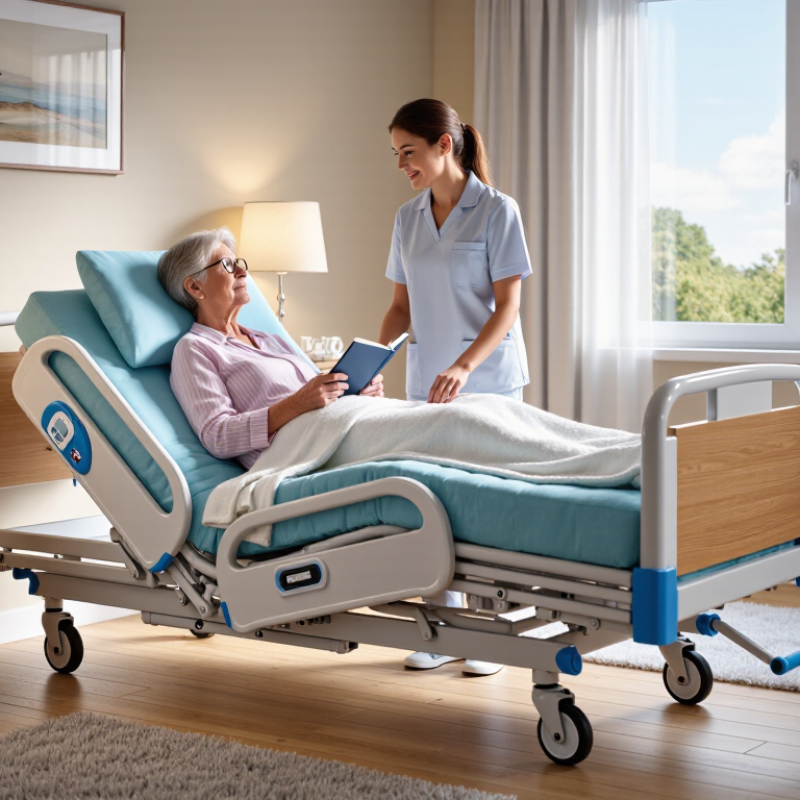
For seniors, suitability begins with safe movement, not extra electronics. The CDC reports that one in four adults aged 65 and older falls each year. A suitable bed should lower close to floor level, rise for transfers, and provide stable hand support. Small details matter. Large, backlit controls help users with weak grip or poor vision. Quiet motors can reduce nighttime disturbance. Emergency lowering and battery backup add practical security during power failures.
Positioning also affects comfort and skin protection. The Agency for Healthcare Research and Quality reports that more than 2.5 million Americans develop pressure injuries annually in acute-care settings. An adjustable bed should support gradual head, knee, and leg elevation without creating sharp bends. Its mattress must fit correctly and distribute pressure evenly. Easy-clean surfaces, sealed controls, and accessible locking wheels support infection-control routines. Caregivers also need enough clearance to work without twisting their backs.
A perfect feature list does not exist. A bed that suits one senior may frustrate another. Buyers should test the handset, transfer height, mattress firmness, and rail access in person. Rails should guide movement, not replace supervision or become a restraint. Check the user’s height, weight, mobility, cognition, and bedroom space before ordering. Professional assessment is sensible when pain, paralysis, or frequent falls are involved. Fancy controls cannot fix a poor fit.
Choosing among top adjustable hospital beds for seniors requires more than counting motorized positions. In practical evaluations, low height has mattered most for safer transfers and easier caregiver assistance. The CDC reports that more than one in four adults aged 65 and older falls each year. A bed that lowers close to floor level may reduce transfer risk, but it cannot replace supervision or clinical advice. Check the hand control, too. Large buttons, raised symbols, and a reachable cord help users with weak vision or limited dexterity.
Compare the back, knee, and overall height ranges against the user’s daily routine. A quiet motor matters at night. So does a firm mattress platform that limits sliding. Side rails need careful review; they can support repositioning, yet they may obstruct exits or create unsafe gaps. The FDA and IEC 60601-2-52 guidance emphasize safe bed design, clearances, and intended-use limits. Confirm the published user weight capacity, including the mattress and accessories. Do not guess.
WHO’s 2022 ageing report projects that one in six people globally will be aged 60 or older by 2030. That makes accessibility increasingly important. Look for simple cleaning surfaces, emergency battery backup, locking casters, and clear maintenance instructions. A bed may look sophisticated.
I would still test it beside the intended room, not in a showroom. Measure doorways, transfer space, and caregiver reach. An overlooked detail can matter most.
Common hospital-bed benchmarks include an approximately 15-inch low deck height for safer transfers, a 24-inch raised height for caregiving, a 36-inch sleeping width, an 80-inch mattress length, and about 4 inches of under-bed clearance. Actual specifications vary, so verify height range, mattress compatibility, clearance, and user weight capacity before purchase.
Top Adjustable Hospital Beds for Seniors: Types for Different Care Needs
The right adjustable hospital bed depends on mobility, caregiver support, and clinical risk. The World Health Organization projects that one in six people worldwide will be aged 60 or older by 2030. That shift increases demand for safer home-based care equipment. Manual beds suit short-term needs and limited budgets, but caregivers must adjust several hand cranks. Semi-electric beds reduce that burden. Their motorized head and leg sections improve comfort, while height changes remain manual.
Full-electric beds offer the easiest positioning for seniors with limited strength. A caregiver can raise the frame, elevate the back, or lower the legs with a handset. Low-height beds can reduce injury risk during nighttime transfers. Bariatric models provide wider sleeping surfaces and stronger frames for larger users. Check the safe working load, not only the mattress width. Small details matter.
Pressure redistribution is important for users who spend long hours in bed. The Agency for Healthcare Research and Quality recommends regular repositioning and skin inspections in its pressure-ulcer prevention toolkit. Specialty mattresses may support this plan, but they cannot replace clinical monitoring. The National Pressure Injury Advisory Panel also emphasizes individualized risk assessment. A bed with many functions may appear superior, yet complicated controls can frustrate older users. That is an easy detail to miss. Measure doorway widths, confirm backup power, and ask whether the lowest position supports safe transfers. Fit varies, and buying decisions sometimes need a second review.
| Bed Type | Typical Adjustment | Best Suited For | Key Benefits | Important Considerations | Typical Weight Capacity* |
|---|---|---|---|---|---|
| Manual Adjustable Bed | Backrest and knee sections are adjusted with hand-operated cranks; height may be fixed or manually adjusted. | Seniors with basic positioning needs and a caregiver available to make adjustments. | Generally lower purchase cost; no electrical outlet required; simple mechanical design. | Crank operation can be physically demanding; less convenient for independent users; confirm that the crank is accessible and retractable. | About 350–450 lb (159–204 kg) |
| Semi-Electric Bed | Electric controls operate the head and knee sections; bed height is commonly adjusted manually. | Users who need frequent repositioning but do not require regular height changes. | Easier positioning than a fully manual bed; usually costs less than a full-electric model. | A caregiver may need to bend or use a crank to change bed height; verify hand-control accessibility and cord placement. | About 350–450 lb (159–204 kg) |
| Full-Electric Adjustable Bed | Motorized adjustment of bed height, backrest, knee section, and often the overall bed position. | Seniors with limited mobility, pain, post-operative needs, or caregivers who provide frequent bedside care. | Supports independent positioning; reduces caregiver lifting and bending; facilitates transfers at a suitable height. | Higher cost and greater electrical dependence; use a suitable outlet and follow the manufacturer’s instructions for emergency lowering. | About 350–600 lb (159–272 kg), model dependent |
| Low-Height Adjustable Bed | Electric or manual adjustment lowers the sleep surface closer to the floor and raises it for care tasks. | Seniors at increased risk of falling out of bed or those who feel safer with a lower sleeping position. | Can reduce the distance to the floor during a fall; can still be raised for transfers and caregiver access. | Getting up from a very low position may be difficult; fall-prevention planning should include lighting, floor surfaces, and transfer support. | About 350–500 lb (159–227 kg) |
| Bariatric Adjustable Bed | Typically provides powered back, knee, and height adjustment with a wider sleep surface and reinforced frame. | Larger-bodied seniors whose weight or body width exceeds standard bed specifications. | Greater width and load capacity; may improve comfort, stability, and caregiver access. | Requires more room, stronger flooring, and compatible mattresses and accessories; never exceed the stated safe working load. | About 600–1,000 lb (272–454 kg), model dependent |
| Trendelenburg-Capable Bed | Provides coordinated tilting of the entire sleep surface in addition to head, knee, and height adjustments. | Users whose licensed healthcare professional specifically recommends advanced positioning. | Offers additional positioning options for certain clinical or transfer situations. | Not necessary for most home users; tilting positions may be unsafe for some heart, breathing, blood-pressure, or balance conditions without professional guidance. | About 350–600 lb (159–272 kg), model dependent |
| Home-Care Adjustable Bed | Usually offers electric head and knee adjustment, with some models also providing powered height adjustment. | Long-term recovery, chronic mobility limitations, sleeping comfort, and routine care in a residential setting. | Designed for home rooms; may support reading, eating, transfers, and pressure-relief positioning. | Check room dimensions, doorway clearance, power requirements, mattress compatibility, delivery access, and service support. | About 300–600 lb (136–272 kg), model dependent |
| Heavy-Duty Home-Care Bed | Powered or semi-electric head, knee, and height adjustment with reinforced components for higher loads. | Home users who need a higher safe working load but do not require the full width of a bariatric bed. | Combines increased capacity with familiar home-care functions; may improve durability for frequent use. | Compare total user weight with the safe working load, including mattress and accessories where specified. | About 450–700 lb (204–318 kg) |
*Weight capacities are representative ranges only. Actual limits, dimensions, adjustment ranges, mattress requirements, and accessory compatibility vary by model. Confirm the manufacturer’s specifications and consult a qualified healthcare professional for clinical positioning or fall-prevention decisions.
Choosing an adjustable hospital bed for a senior requires more than comparing prices. Safety, comfort, and accessibility should guide every decision. A stable frame, lockable casters, and secure side rails can reduce common fall risks. However, rails are not automatically safe for everyone. A clinician should assess mobility, confusion, and the risk of entrapment before use.
Comfort depends on precise positioning. Look for independent head, knee, and height adjustments. These features can support easier breathing, safer transfers, and less pressure on painful joints. A pressure-relieving mattress may help protect fragile skin, but it must match the bed’s design. Test the controls while seated beside the bed. Large buttons and a simple handset matter when eyesight or hand strength has declined. Small details become big problems at night.
Tips: Measure the room, doorway, and bathroom route first. Leave enough space for a walker or caregiver. Keep the handset within easy reach, not under a pillow. Check cables regularly. Ask a nurse, therapist, or equipment specialist to demonstrate safe transfers. A low position may feel safer, yet it can make standing harder for some seniors. I once underestimated this trade-off; the safest setting is not always the lowest one. Recheck the setup after a week, because comfort and confidence can change.
Choosing an adjustable hospital bed for a senior starts with daily needs, not appearance. Ask whether the user needs head elevation, leg support, or easier transfers. A three-section design can support sitting, sleeping, and repositioning. Measure the room, doorway, and bed-to-wall clearance carefully. A beautiful bed is useless if it cannot enter the home.
Check the safe working load, including the mattress, user, and bedding. Confirm that the mattress matches the bed’s platform and movement range. Look for simple controls with raised buttons and clear symbols. A caregiver may need to operate them at night. Low-height adjustment can reduce injury risk during transfers, but it should not replace professional guidance. Speak with a clinician or occupational therapist when falls, weakness, or pressure injuries are concerns.
Safety rails require careful judgment. They may help with repositioning, but they can also create entrapment risks for some users. Choose models with protected moving parts, stable casters, and an emergency lowering or battery feature. Easy-clean surfaces matter when spills happen. They will. Ask about inspection, repairs, warranty coverage, and local service before buying. A cheaper bed may cost more when a small motor fails. I would also test the controls in person, because descriptions can hide awkward buttons or noisy movement. The best choice may still need adjustments after the first week.